Stage Lighting Design for Cultural and Art Centers
Case Details
A county-level cultural, sports, and arts center needs to fulfill many public functions. It may host theatrical performances, conferences, ceremonies, public lectures, cultural festivals, rehearsals, and community events. Therefore, its lighting system must be flexible, safe, stable, and easy to maintain.
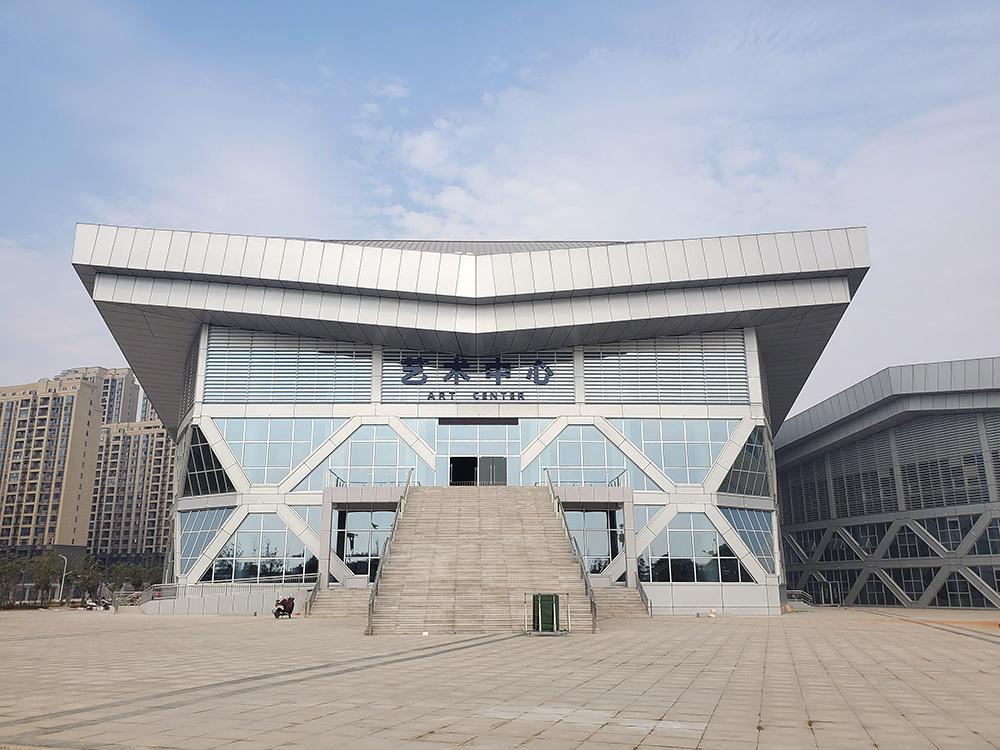
The Yongxiu County Cultural, Sports, and Arts Center provides a useful reference for this type of public venue. Its large site, park-like layout, theater, exhibition spaces, and sports facilities create a comprehensive cultural complex for local residents.
For project owners, theater contractors, audiovisual integrators, and equipment distributors, such venues show how stage lighting can support current operations and future development.
A Landmark Public Cultural Complex
The Yongxiu County Cultural, Sports, and Arts Center is located between Kaifa Avenue and Hengshan Road. Jiaotong Road and Qiantang Road border the site on its east and west sides.
The center is also close to the Changjiu transportation corridor, providing convenient access to Nanchang and nearby cities.
The total investment for the project is approximately RMB 503.2 million. It covers 262 mu, or about 17.5 hectares, with a planned floor area of approximately 58,000 square meters.
Its design integrates public culture, sports, education, exhibitions, and community activities within a park-like complex. As a result, the center serves both as a functional public facility and a recognizable civic landmark.
Architecture Inspired by a Flying Phoenix
The building follows a "single main structure with two wings" layout.
The central structure protrudes forward, while the two wings extend outward in a fluid shape. Together, they resemble a giant phoenix spreading its wings and preparing to take flight.
This architectural language conveys energy, progress, and confidence. It also creates a distinctive regional identity for the complex.
However, distinctive architecture poses technical challenges. Lighting equipment must adapt to the building structure, audience sightlines, ceiling height, acoustic design, stage machinery, and interior finishes.
Therefore, stage lighting should be planned early and coordinated with the overall building system.
Why Multi-Purpose Venues Need Flexible Lighting
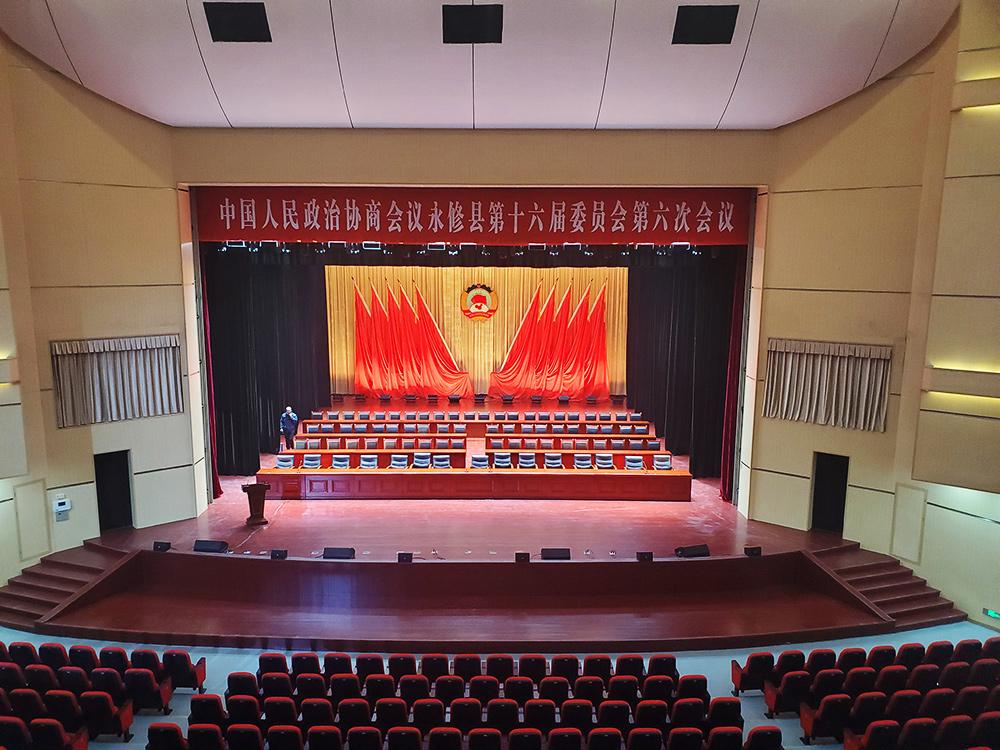
The lighting requirements for a theatrical performance and a conference are vastly different.
Dramas require precise focus, facial details, and controlled contrast. Dance relies on side lighting, color, and movement. Concerts may use moving beams and stronger visual effects. Conferences require soft, uniform, and comfortable illumination.
An appropriate system should therefore support:
-
Dramas and theatrical productions
-
Music and dance performances
-
Traditional Chinese opera
-
Concerts and cultural festivals
-
Government and corporate conferences
-
Public lectures
-
Award ceremonies
-
Rehearsals and training
-
Photography and video recording
-
Community cultural events
Lighting scenes can be programmed for each application. Operators can then switch the venue from conference mode to performance mode without physically reconfiguring the equipment.
Start with a Professional Site Survey
A reliable project begins with the actual venue.
Before selecting fixtures, the engineering team should inspect:
-
Stage dimensions
-
Ceiling and grid height
-
Lighting bridge locations
-
Audience viewing angles
-
Orchestra and performance areas
-
Projection screens
-
Scenic installations
-
Control room location
-
Power capacity
-
Signal and cable routing
-
Maintenance access to equipment
The team should also confirm the expected types of events the venue will host. This prevents the project from selecting equipment based solely on output or price.
Instead, each fixture should be assigned a clear role within the overall system.
Layered Lighting for Different Stage Functions
A professional theater lighting system utilizes multiple lighting layers.
Front lighting ensures faces, costumes, and gestures are clearly visible. Side lighting models performers' silhouettes and accentuates movement. Backlighting separates performers from the scenery.
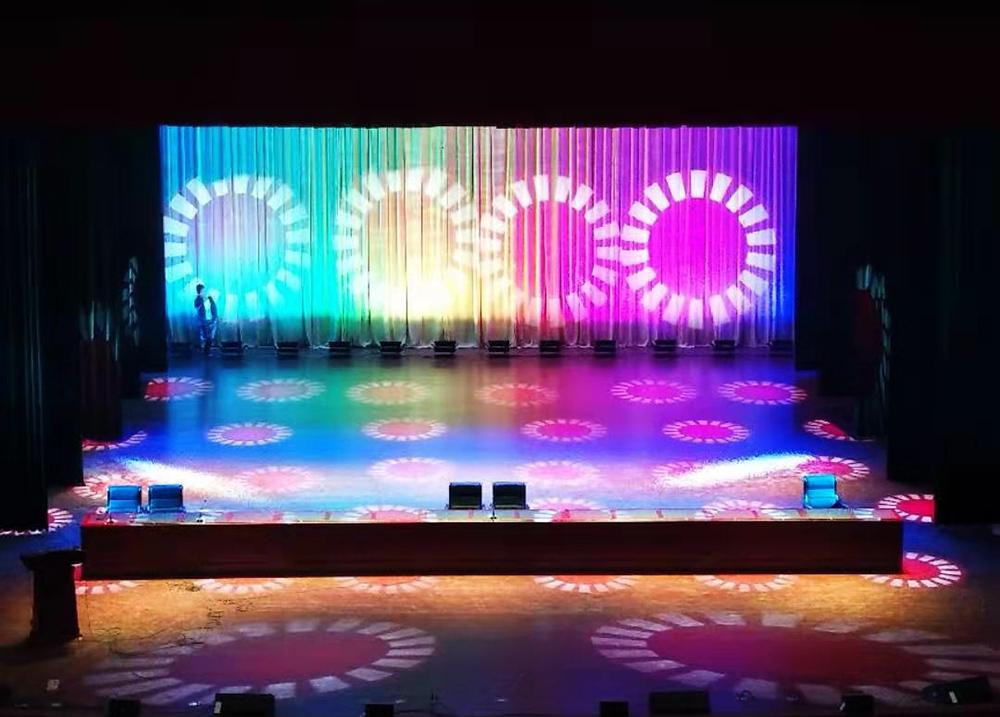
At the same time, wash lighting establishes the primary color environment. Profile spotlights define acting zones, podiums, scenic objects, and other precise areas.
Moving-head fixtures add dynamic positions, patterns, colors, and aerial effects. Conference panels provide soft lighting for speakers, meetings, and video recording.
These layers can function independently or in combination. This allows the venue to host both simple events and complex productions.
Moving-Head Lights for Dynamic Programs
Moving-head lights offer flexible control over position, color, movement, and effects.
They can support opening ceremonies, dance programs, concerts, gala events, and large cultural performances. Because their positions are controlled from the console, operators can prepare different scenes without manually readjusting each fixture.
Beam moving heads create narrow, visible effects. Spot units project patterns and defined areas. Wash moving heads provide broad color coverage. Hybrid fixtures combine multiple functions.
For long-throw applications, Xingbo's 400W LED beam moving head delivers concentrated output and programmable stage effects.
Profile Spotlights for Precise Visual Focus
Profile spotlights, also known as ellipsoidal reflector spotlights, provide clean beam edges and precise control.
They are suitable for:
-
Primary acting areas
-
Podiums
-
Hosts and speakers
-
Solo performers
-
Scenic details
-
Stage entrances
-
Display areas
-
Projection-safe lighting zones
Shutters help control light spill. Additionally, different lens angles can accommodate short, medium, or long throw distances.
Profile fixtures are particularly useful in public venues because they can support performances, conferences, ceremonies, and recorded events.
LED Wash Lights for Broad Coverage
LED wash lights create a consistent color base across the stage.
They help integrate performers, scenery, curtains, and background surfaces. Smooth color mixing also allows operators to change the mood between scenes.
A zoom wash fixture offers greater flexibility. A narrow beam angle can highlight a smaller area, while a wider angle can cover a group or the entire stage.
Xingbo's 19-LED zoom wash light is designed for adjustable RGBW stage coverage in professional production environments.
Soft Panel Lights for Conferences
Public art centers often host meetings and lectures in addition to performances.
LED panel lights provide wide, soft illumination for speakers, guests, and discussion groups. Their broad output helps reduce harsh facial shadows.
High-quality conference fixtures should offer:
-
High color rendering
-
Smooth dimming
-
Stable color temperature
-
Low visible flicker
-
Quiet operation
-
Uniform output
-
Suitable performance for cameras
These features help the venue create a professional environment for conferences, photography, interviews, and live broadcasts.
A Structured DMX Control Network
Large lighting systems require organized signal distribution.
The lighting console manages fixture addresses, brightness, colors, movement, effects, and scene timing. Operators can store programs for regular events and recall them when needed.
Xingbo's Quartz Tiger lighting console supports the programming and playback needs of professional stage systems.
Signal amplifiers split and regenerate DMX signals for different stage areas. Optical isolation can also help prevent a fault in one branch from affecting the main control network.
The 8-channel optically isolated signal amplifier supports stable data distribution in complex commercial installations.
Power Distribution and Electrical Safety
Lighting fixtures must be supported by a well-planned electrical system.
Power circuits should be grouped according to fixture type, installation area, and operating load. Distribution cabinets should provide appropriate circuit protection, grounding, labeling, and maintenance access.
The project team should also consider:
-
Cable specifications
-
Electrical load calculations
-
Inrush current
-
Emergency shutdown
-
Heat management
-
Fire-resistant cable routes
-
Backup power requirements
-
Future equipment capacity
A clear distribution structure makes the system safer and easier to inspect.
Planning for Future Expansion
Public venues often add new programs after opening. Touring productions may also bring additional fixtures, control equipment, or media systems.
Therefore, the initial design should reserve:
-
Spare electrical circuits
-
Additional DMX capacity
-
Network connection points
-
Empty cabinet space
-
Rigging positions
-
Cable routes
-
Console universes
-
Storage space
-
Portable fixture connections
This reserved capacity reduces future renovation costs and allows the venue to adapt to new performance formats.
Simplifying Maintenance
Reliable equipment is important, but maintenance planning is equally essential.
Technicians need safe access to fixtures, cables, power cabinets, and signal devices. Equipment should be easy to remove, clean, test, and replace.
The final project documentation should include:
-
Lighting layout drawings
-
Circuit diagrams
-
DMX address records
-
Fixture profiles
-
Console program files
-
Product manuals
-
Spare parts lists
-
Test reports
-
Maintenance schedules
-
System handover records
Clear documentation supports long-term operation and reduces troubleshooting time.
Xingbo Lighting for Cultural Venue Projects
Guangzhou Xingbo Intelligent Technology Co., Ltd. develops and manufactures stage lighting products for theaters, cultural centers, auditoriums, conference halls, multi-purpose venues, hotels, schools, and entertainment spaces.
Its product range includes moving-head fixtures, profile spotlights, LED wash lights, conference panels, studio lights, signal amplifiers, control consoles, and related systems.
Xingbo's professional theater lighting solution covers fixture planning, control networks, signal transmission, power distribution, and maintenance requirements.
For contractors, distributors, rental companies, and project integrators, Xingbo can provide product selection support, customized specifications, OEM and ODM orders, fixture configuration, and project-based supply.
Frequently Asked Questions
What lighting does a cultural art center need?
A typical system may include profile spotlights, moving heads, wash lights, panel lights, studio lights, followspots, cyclorama fixtures, consoles, signal amplifiers, and power equipment.
Can a single system support both performances and conferences?
Yes. Different fixture groups and preset scenes allow the venue to switch between performance, conference, ceremony, rehearsal, and recording modes.
Why should a project reserve additional system capacity?
Reserved power, signal, network, and rigging capacity allows the venue to add fixtures and support larger productions without major renovations.
How should buyers evaluate a stage lighting supplier?
Buyers should assess product quality, system compatibility, customization capabilities, documentation, testing, delivery capacity, technical support, and availability of spare parts.
Does Xingbo support B2B project orders?
Yes. Xingbo serves contractors, system integrators, distributors, rental companies, and institutional buyers with wholesale, OEM, ODM, and customized project supply.


